
Rwanda Cooperation September 2026 Highlights
Rwanda Cooperation was established to share Rwanda's experience through South-South and Triangular Cooperation, and delegations keep coming to understand what shaped the country's transformation journey. Each one arrives with a question. In September, fifteen of them did. Malawi wanted to know how a single digital system can carry a criminal case from investigation to the courts. Nigeria asked how health insurance reaches an entire population, and a UN Women team working on Sudan asked how a nation rebuilds after conflict. The answers were not found in speeches, but inside the institutions that make Rwanda work every day.
The delegation this month came from ministries, a state government, two defence colleges, a law faculty, a professional association, a private firm and UN agencies. Meanwhile, our own leadership was on the road in Lesotho and Botswana, and back in Kigali we hosted senior officials from Eswatini and Israel.
Seeing the systems from the inside
The Malawian delegation from the Office of the Director of Public Prosecutions spent their time following the Integrated Electronic Case Management System along its full length. They watched how investigators, prosecutors, the courts and the correctional service all work from the same record. Zimbabwe's Ministry of Finance, Economic Development and Investment Promotion went through public financial management in the same detail, sitting down with Rwanda's finance ministry, the central bank, the revenue authority and the Office of the Auditor General.
Other groups went deep into a single sector. The Gambia's Ministry of Transport, Works and Infrastructure stayed two full weeks to study transport reform and e-mobility. Somalia's education ministry looked at competency-based learning and how Rwanda trains its teachers. From Zambia, the Mulungushi International Conference Centre compared notes with the Rwanda Convention Bureau on building a conference industry from scratch. Bangladesh's Department of Environment came with UNIDO to look at plastic waste and ended up at the Eco-Plastic recycling facility in Mageragere.
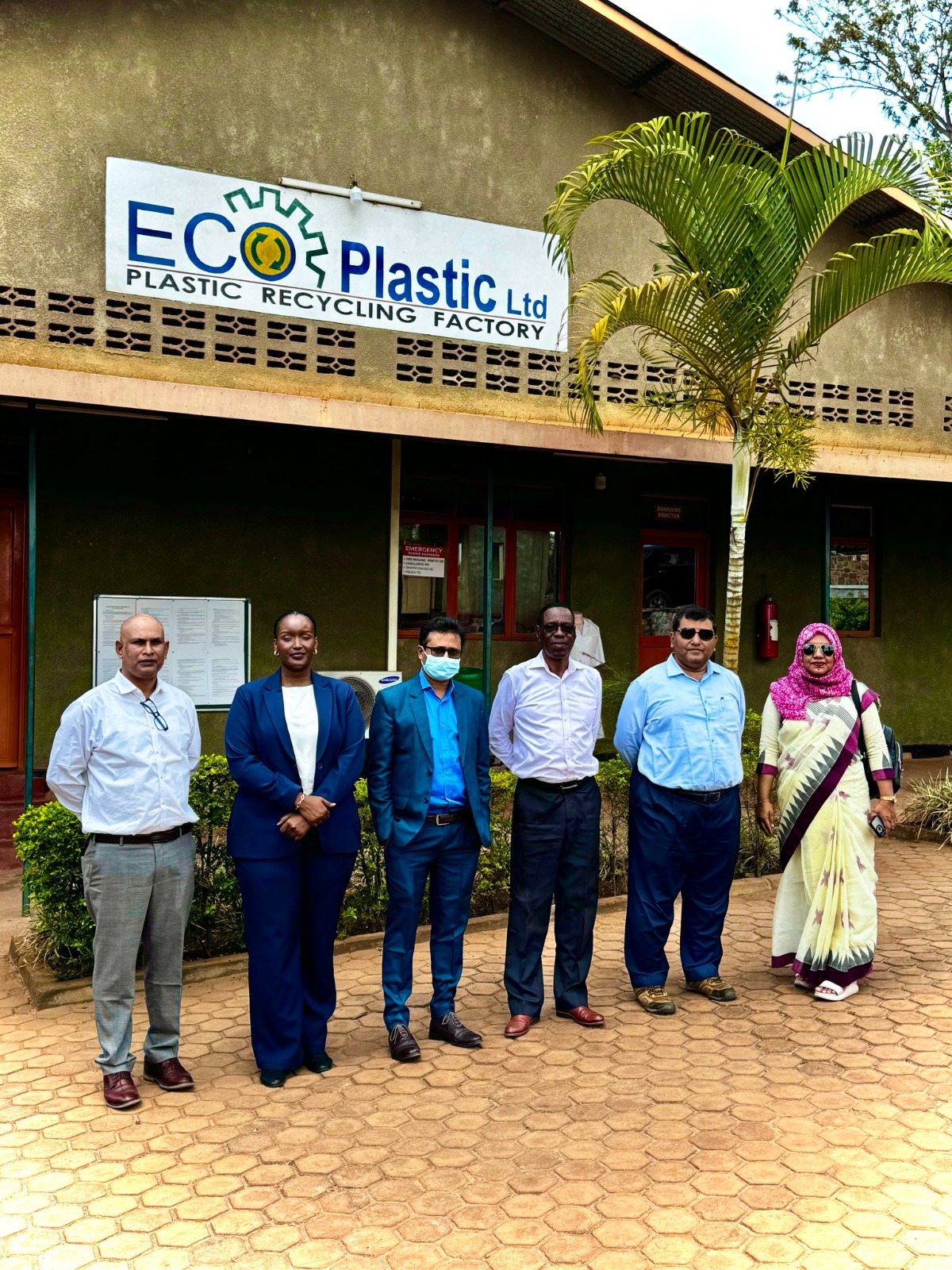
“Delegation from Bangladesh's Department of Environment site visit at Eco-Plastic Ltd.”
Nigeria, five times over
No country sent more people than Nigeria, and no two of its delegations were looking for the same thing.
Led by Dr. Kelechi Ohiri, Director General of the National Health Insurance Authority, led a team studying Community-Based Health Insurance and the social registries behind it. The Adamawa State Government focused on how Rwanda coordinates aid, delivers citizen services through Irembo and holds local leaders to their Imihigo performance contracts. The Pension Fund Operators Association met with the Rwanda Social Security Board. Law students and faculty from Baze University explored access to justice and the Gacaca Courts, the Home-Grown Solution Rwanda used to deliver justice after the 1994 Genocide against the Tutsi. And Sahel Consulting Agriculture & Nutrition looked at disaster risk management and climate-smart farming.
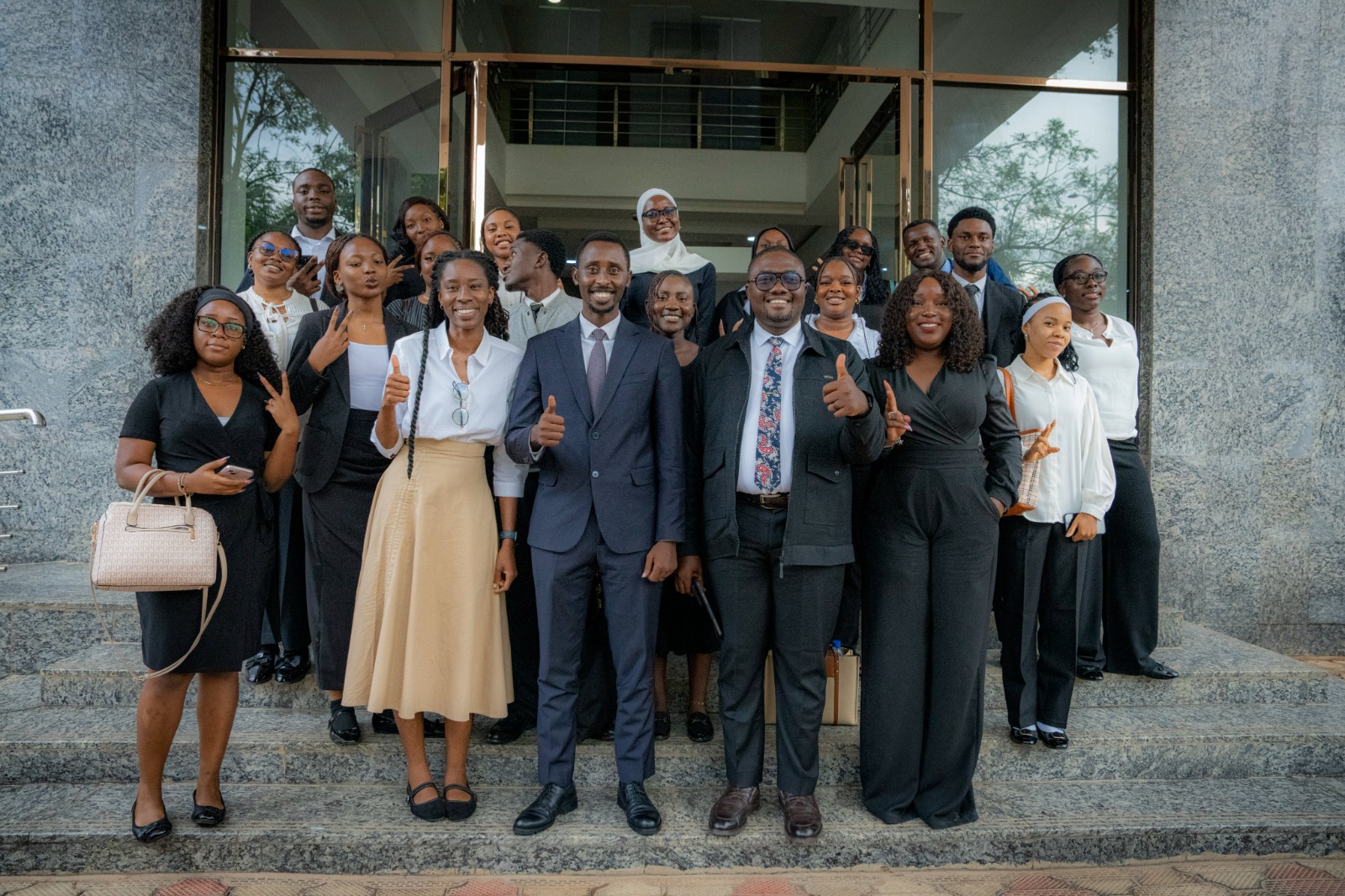
“Baze University explored access to justice systerm and reforms as well as the Rwanda’s Home-Grown Solution Gacaca.”
Healing, leadership and the role of women
Some of the month's most meaningful conversations were about how a society heals.
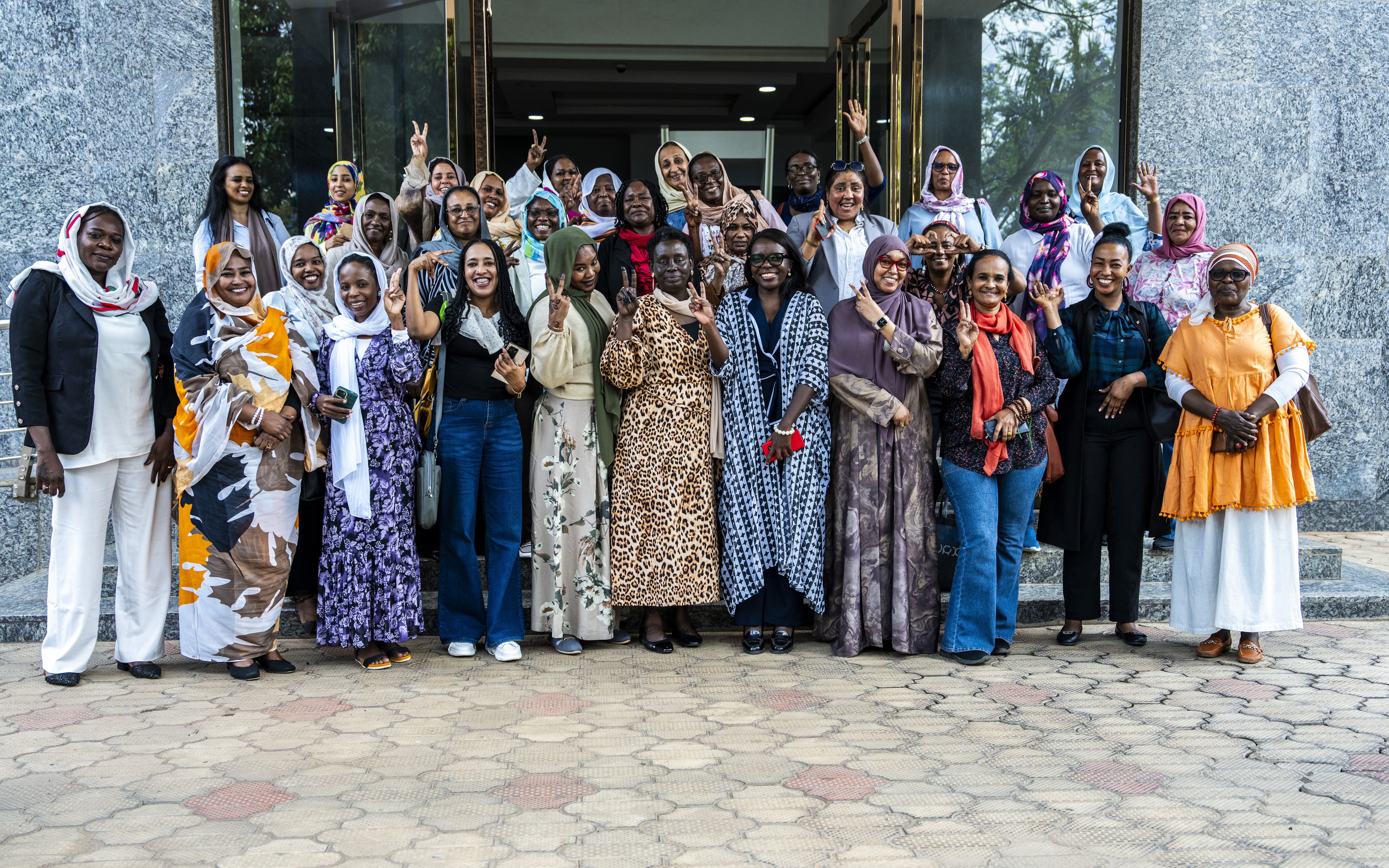
The UN Women Country Office for Sudan met with thirteen Rwandan institutions, from Parliament to grassroots women's organisations, to talk about empowerment, peacebuilding and recovery after war. The African Women Peace and Security Institute explored how women take part in governance and reconciliation. Two military colleges, Ghana's National College of Defence Studies and the Namibia Command and Staff College, came to understand Rwanda's development path and its foreign policy.
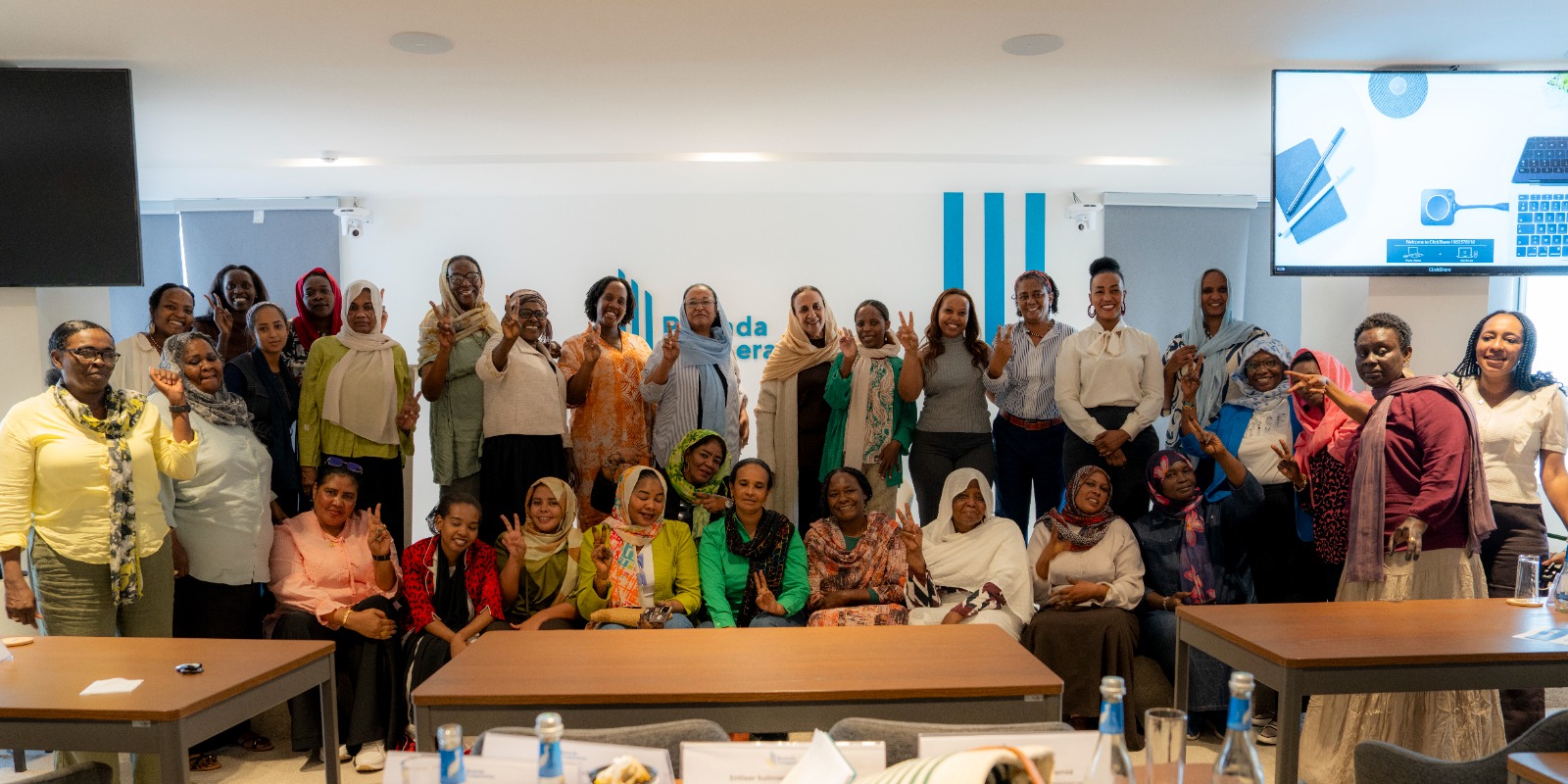
"The UN Women Country Office for Sudan with Rwandan institutions on women's empowerment, peacebuilding and post-conflict recovery"
Taking the experience beyond our borders
Sharing doesn't only happen in Kigali.
In Maseru, CEO Richard Niwenshuti led a team to help the Government of Lesotho and UNDP set up a Delivery Unit in the Office of the Prime Minister. They met Deputy Prime Minister Rt. Hon. Nthomeng Majara, Local Government Minister Hon. Nkhethoa Seetsa and UNDP Resident Representative Dr. Jacqueline Olweya, and talked about how the three partners can keep working together over the long term.
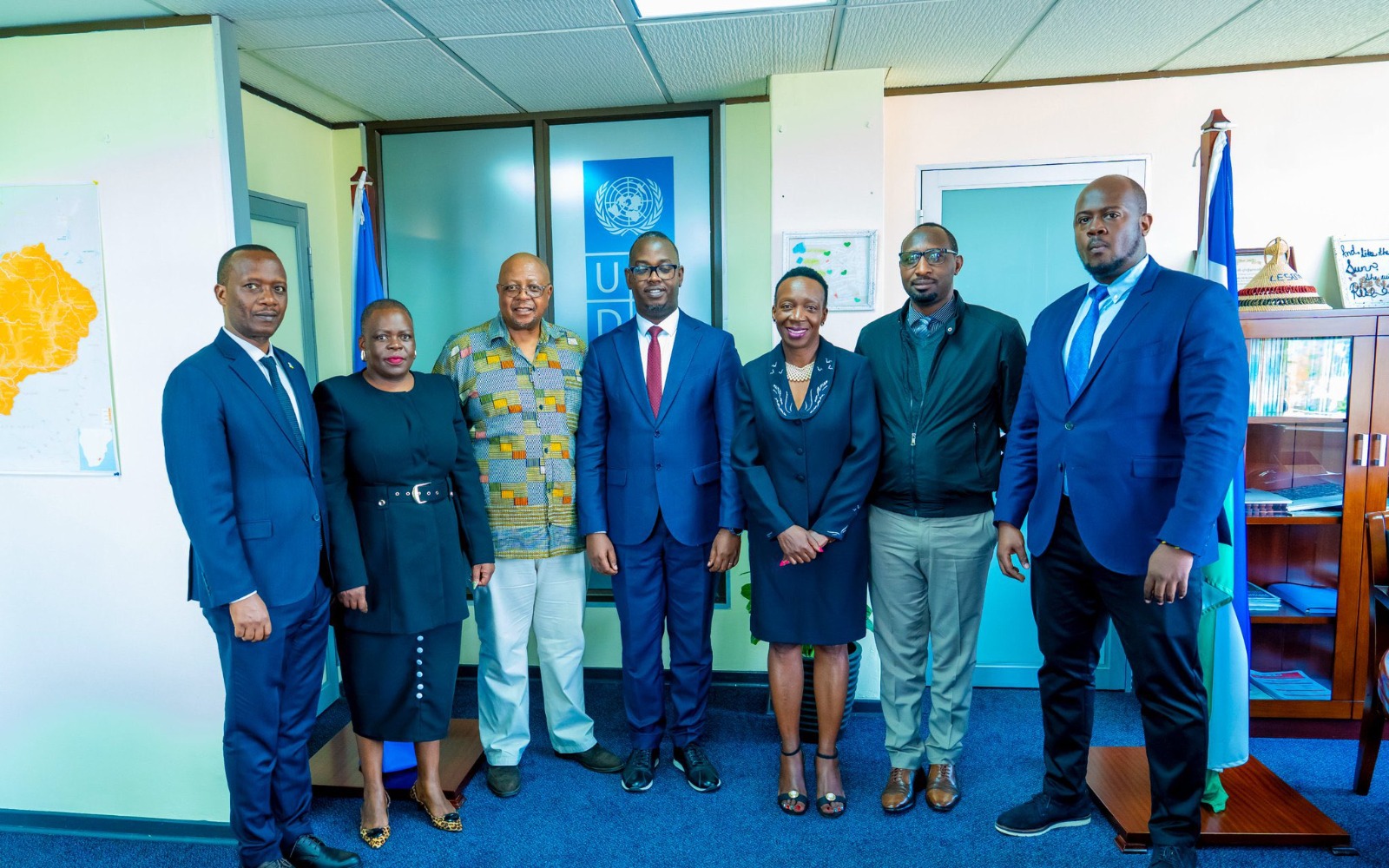
"CEO Richard Niwenshuti with UNDP Resident Representative Dr. Jacqueline Olweya in Maseru"
In Botswana, Chief Operating Officer Chance Tubane spoke at the launch of the Southern Africa Chapter of African Women for Jesus to All Nations. The talk told the story of Rwanda's journey "from Ashes to Excellence" and of the women who helped rebuild the nation. While in Gaborone, the team also met Ambassador Gobe Pitso at the Ministry of International Relations to talk about South-South partnerships.
Back home, Eswatini's Minister of Finance, Hon. Neal Rijkenberg, visited to take stock of our ongoing work together on public financial management. Israel's Ambassador to Rwanda, H.E. Einat Weiss, met with us to begin putting into practice a new agreement between Rwanda Cooperation and MASHAV, Israel's development cooperation agency.
September at Glance
Each delegation arrives with its own priorities, and our engagement is shaped around them. Knowledge sharing through South-South and Triangular Cooperation does not end with a study visit. Where questions remain, we continue the partnership through post-visit follow-up, Memoranda of Understanding, joint projects, advisory services, and the deployment of Rwandan experts and tailored training.
In September, Rwanda Cooperation welcomed 15 delegations, led four strategic engagements and connected partners with 46 Rwandan institutions.